 GET DAILY REPORT FREE


Sponsored by LSU’s Pennington Biomedical Research Center
For many living with diabetes or many other endocrine related conditions, access to cutting edge treatment remains fragmented. LSU’s Pennington Biomedical Research Center is changing that.
This fall, Pennington Biomedical opened its Advanced Endocrinology and Diabetes Clinic, under the leadership of endocrinologist Dr. Timothy Gilbert, to offer comprehensive, research informed care in one place. Dr. Gilbert brings nearly 20 years of clinical experience, and his arrival represents a major step forward.
With Pennington Biomedical’s long history in diabetes and metabolic disorder research, the center has now expanded its work to include treatment – not just study. What sets Pennington Biomedical’s clinic apart is the seamless integration of research and patient care. Guided by discoveries from its scientists, treatments offered here are at the forefront of medical progress.
By integrating emerging therapies, mental health care, diagnostics and education, the clinic aims not only to add years to life – but life to the years.
Patients not only receive standard care, such as continuous glucose monitoring, insulin pumps and automated insulin delivery, but they also have access to new therapies and clinical trials before they’re widely available.
Dr. Gilbert emphasizes that many of the treatments considered cutting-edge today were developed at Pennington Biomedical. The clinic is able to harness decades of institutional knowledge in endocrine and metabolic disease and put those insights directly into patient care.
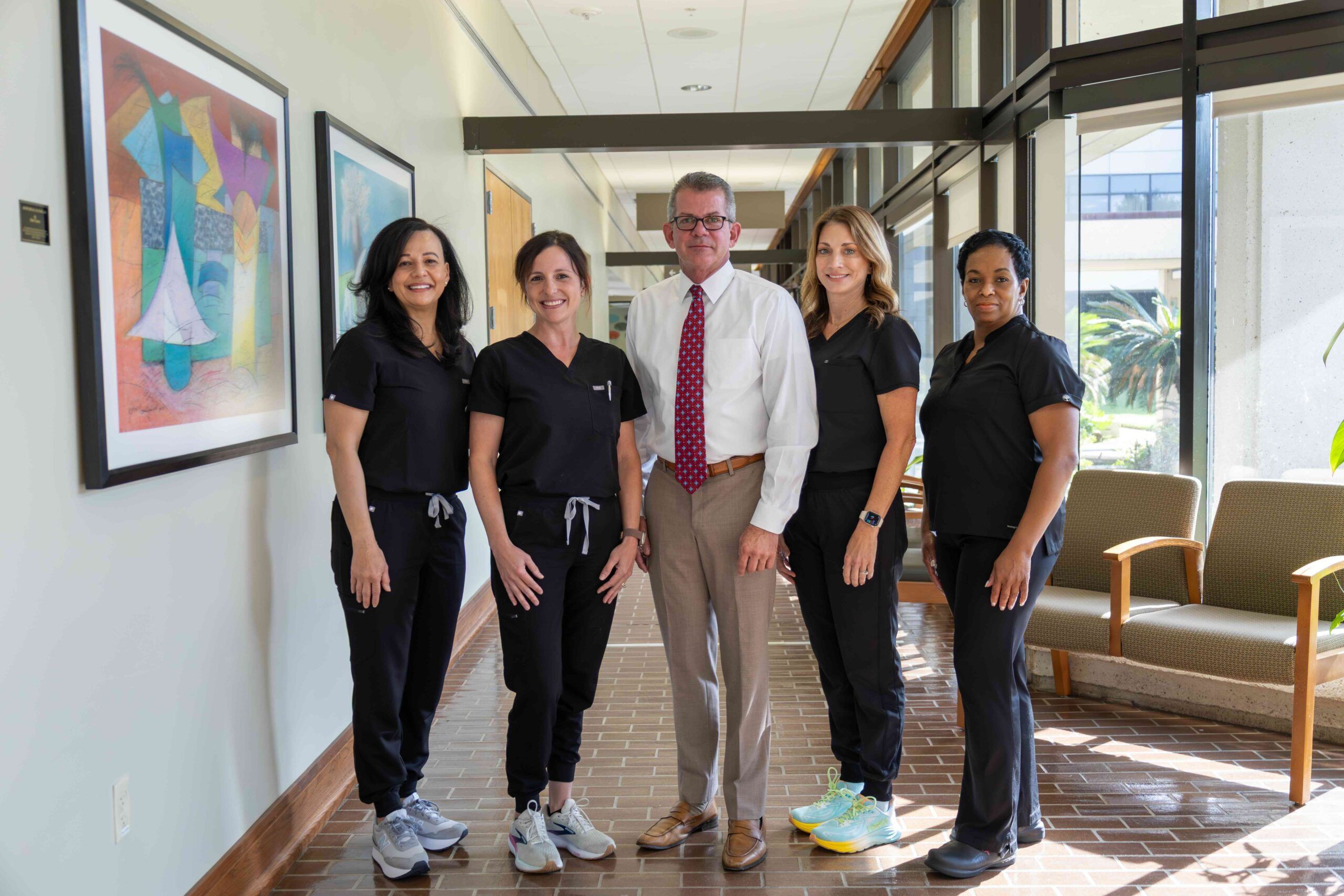
The Advanced Endocrinology and Diabetes Clinic isn’t just about medications and devices. It brings together a full team of registered dieticians/certified diabetes educators, nurse 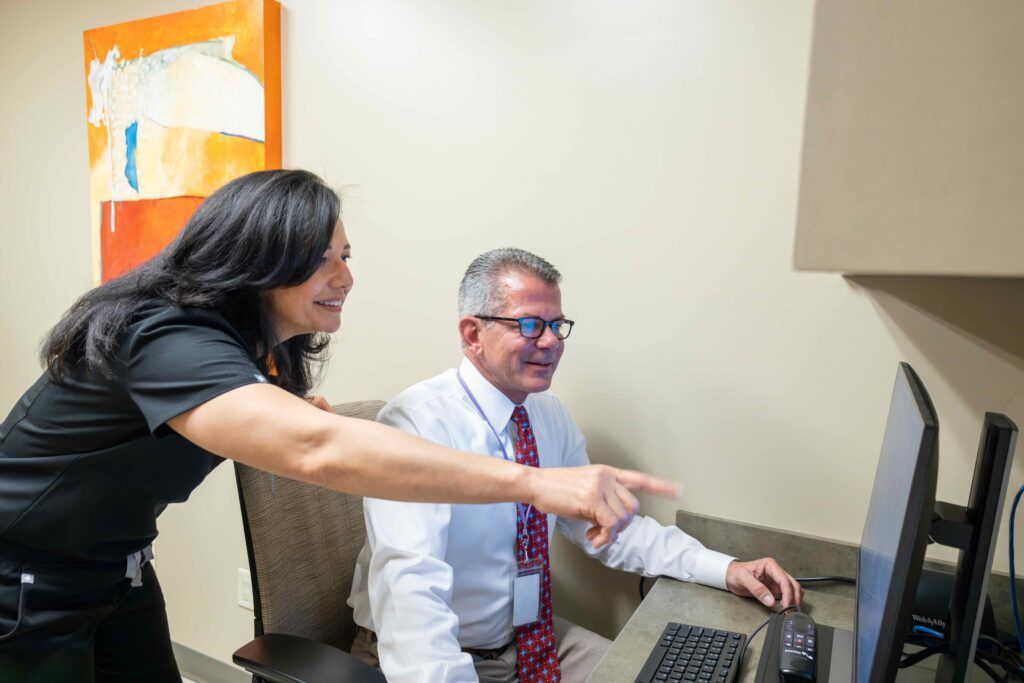 practitioners, registered nurses, and mental health professionals.
Disorders like diabetes, obesity, eating disorders, insulin resistance and polycystic ovary syndrome are managed in collaboration with specialists to address not only metabolic control but also psychological, nutritional and lifestyle factors.
Education is built in from the start. Newly diagnosed patients receive training in insulin pump usage, continuous glucose monitoring and diabetes self management. These are not delayed for months – they happen quickly, closely supported by Dr. Gilbert, his nurse practitioner and the clinic’s educators.
Louisiana has among the highest rates of diabetes in the United States, and many patients wait long periods for specialist access. The new clinic offers an additional option for these patients around Baton Rouge and the surrounding areas.
Dr. Gilbert expresses a powerful vision: helping people “live with diabetes, not for diabetes.” That means improving quality of life, giving tools to manage disease and restoring control. By integrating emerging therapies, mental health care, diagnostics and education, the clinic aims not only to add years to life – but life to the years.
One of the most compelling features of the clinic is how patient care and research are intertwined. Clinical trials underway at Pennington Biomedical give patients access to therapies still under development, while outcomes in the clinic feed back into research insights.
Whether it’s new injectables, combination therapies or advanced imaging for body composition, the clinic becomes a hub where scientific discoveries inform care, and everyday patient experiences guide future studies.
For those seeking advanced care for diabetes or endocrine conditions, Pennington Biomedical’s Advanced Endocrinology and Diabetes Clinic offers a new model: world-class science, delivered with compassion, under one roof. Learn more by visiting pbrc.edu/edc. To schedule an appointment, call 225.763.0250.