 GET DAILY REPORT FREE


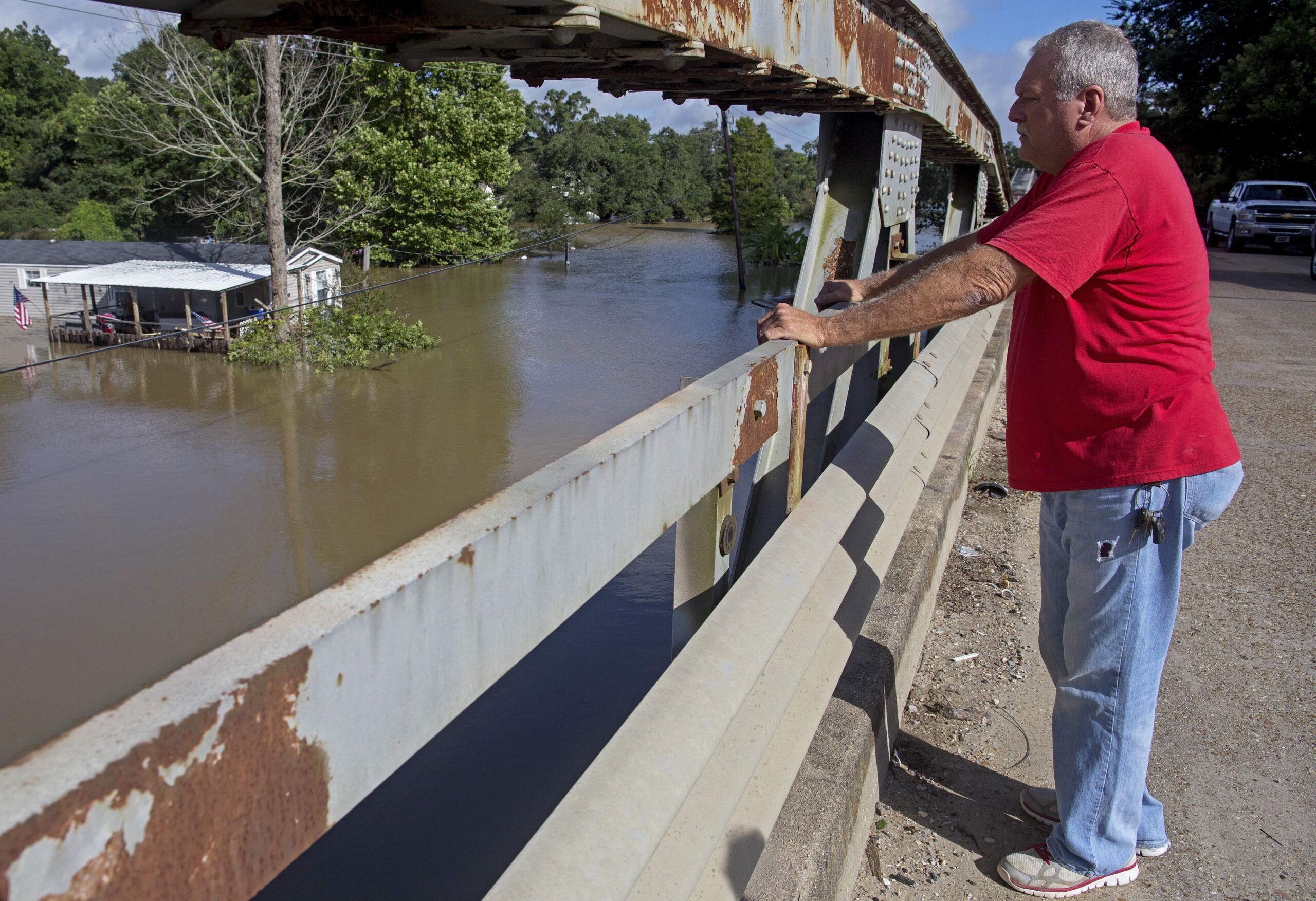
As Ascension Parish and the rest of the Capital Region mark the 10th anniversary of the devastating 2016 flood, Ascension Parish President Clint Cointment is touting newly signed state legislation that creates a dedicated funding source for watershed restoration and flood-risk reduction projects throughout the Amite River Basin.
Gov. Jeff Landry recently signed House Bill 802, by Rep. Paul Sawyer, and Senate Bill 367, by Sen. Rick Edmonds, establishing the Watershed Restoration and Conservation Fund for the Amite River Basin.
The new law creates a funding mechanism for watershed restoration, reclamation, conservation, and flood-risk reduction efforts in areas affected by sand mining. Funds will be received by the Coastal Protection and Restoration Authority and distributed to the Amite River Basin Commission for eligible projects.
“As we approach the 10-year anniversary of the 2016 flood, we have a responsibility to take the lessons we learned and turn them into action,” Cointment says. “This legislation helps create a funding source for projects that restore and protect the watershed, ultimately reducing flood risk for families throughout Ascension Parish and the entire Amite River Basin.”
Aside from the legislation, Ascension Parish has acquired roughly 200 acres at a single site between Louis White Road and Hwy 700 for a pair of stormwater detention basins, as outlined in the parish’s floodplain management plan.
Earlier this spring, the Ascension Parish Government acquired roughly 127 acres in Geismar for the New River Regional detention for $2.5 million. In March 2025, the parish purchased an adjacent 80-acre tract for the New River/Lower Branch Goudine Detention project.
“Ascension Parish knows very clearly that what happens upstream affects everyone downstream,” Cointment said. “This legislation recognizes that flood protection is a regional responsibility. By investing in watershed restoration and working through the ARBC and CPRA, we can make smarter decisions that benefit families, businesses, and taxpayers across parish lines.”
The historic August 2016 flood inundated communities throughout Ascension Parish, the Capital Region and the broader Amite River Basin. Amite River Basin Commission leaders describe it as the most significant state legislation addressing flood mitigation since Act 490 of the 2022 regular session, which reformed the commission.
The Amite River Basin Commission will continue working with CPRA, local governments, legislators and stakeholders throughout the basin to identify restoration and flood-mitigation projects aimed at reducing flood risk and improving long-term resilience.